
Interview
Issue #19: Heroes – Reboot
October 20, 2026
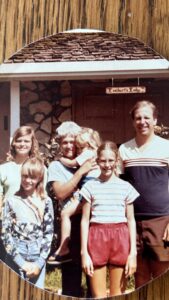
“A Foundation of Faith for Community Building”
PSM Talks with
Rita & Tom Lambert
by Tracy Granzyk
Tom and Rita Lambert spent just short of 58 years caring for their eldest daughter Kimberli until her death in January of 2026. Kim suffered epileptic hypsarrythmia seizures as an infant which triggered a new trajectory for all their lives. The impact of those seizures on her still developing brain would be learning, developmental, and behavioral impairments the young and growing family would learn to embrace and navigate, in addition to Rita’s heart condition that included heart failure while pregnant with their second daughter and several critical health challenges over the course of her life.
Despite the many unanticipated turns the Lambert family faced, their faith only grew stronger. It was through their faith and the Catholic Church community they built around Mental Health Awareness that evolved into the International Association of Catholic Mental Health Ministers helping others understand and find resources to care for loved ones living with behavioral health and mental illness that both Tom and Rita discovered a deeper calling. Tom, a Deacon, and Rita, who went back to finish college in her late 40’s in order to build the program, have spent a life in service. This is one part of a very rich story, told through Kim’s experience living in therapeutic communities, mental health facilities, and state institutions for threats of violence. No matter where Kim lived or went, she made an impression on those who knew her.
Kim’s story hits at the heart of Please See Me and our desire to normalize mental health. The interconnectedness of mind, body, and spirit is clear yet the healthcare system struggles to understand and treat the whole person. Kim’s story begins with a physical condition that caused a lifetime of behavioral and mental health challenges putting her at the mercy of care in several different group facilities and state institutions, each with varying degrees of empathy and capacity to care for the whole person. Her life story tells us that there is still much work to be done when parents have to build an entirely new avenue to educate families on illness that affects approximately 20% of the population at some time in their lives. Like the Lamberts work through the Catholic Church, Please See Me exists to shine a light on Mental Health Awareness while offering a place of connection and a place to tell your story.
In the following interview conducted over Google meet, I had the good fortune of getting to know the Lamberts while learning about who their daughter was and the foundation of love she had to draw from during her stays in the most challenging care environments as well as her day-to-day life in intermediate care facilities. We can only touch on the depth of work and the lives the couple has touched through their work with the Catholic Mental Health communities, and I encourage you to explore it yourself.
Tracy Granzyk: What is one thing that can help Please See Me readers best understand who Kim was?
RITA: Kim was so much more than her diagnosis, her challenges. The most common response from others about Kim is that she is very friendly and engaging. She made it a point to greet everyone she saw, to say “How’s it going? Have a nice day” to bus drivers, grocery clerks, ministers, medical staff. Nothing dampened her spirit or stopped her from being friendly, adventuresome, and engaging with friends, family and acquaintances. Her ease with people made it a pleasure to bring her everywhere with me.
For example, on our first trip down to the Jersey Shore when Kim was 6 years old, she became lost on the beach which led to a frantic family search. I stayed on our blanket with Kim’s two younger sisters and kept an eye toward the north end of the beach, while Tom set off to the south. When he at last found her the two made their way back toward our blanket and chairs, greeted by people along the way back who said, “I see you found your dad, Kim.”
There were people at her funeral who had all been touched in some way. If it wasn’t one of our workshops, or someone from the parish, it was people who had been a companion to her along the way. We received cards and letters from people who told us how they’d been touched by her.
I know that Kim would take a bullet for me. She would protect me. And to go anywhere with her, I felt safe, secure. We always had a good time. There was something in her. She had a sacredness in her.
TG: What was day-to-day life like with Kim?
RL: Kim loved life. She never wanted to skip a day of school. She finished last in a swim meet and excitedly said, did I win? Did I win? She was very curious about trying new things, like riding a bike, swimming, and camping.
Tom would take her to a movie that would be an action picture. And after the movie, when he asked what she thought, Kim’s reply was often “Oh, beautiful,” followed by, “Actually, you know what? It’s being with you. That’s all that matters.”
The other thing that Kim depended on was companionship, and being part of a team. She’d say, “But remember, Mom, we’re a team, and I wanted you to know everything” — like eating a family-sized bag of M&Ms in one sitting. No matter how many times I told her that was poison, she’d say, “I just want to get it out on the table. I feel so much better now.”
I would look for opportunities to say, hey, you’re the best. Or, I like the way you think. Things that would just build her up. She’d start using that language herself. Somebody used the word: Kim, this person is a real keeper. And after that, everybody was a keeper.
She loved jokes. They weren’t always funny, but she really tried to make people laugh. Although she couldn’t grasp things cognitively, she always came up with the exact right thing at the moment. Her cards for Mother’s Day or for my birthday were so sincere and spot on with our relationship.
TOM: Kim was gifted with a sense of humor. And she was an advocate for people, too. She stood up for people in her own way. One time she had been to McDonald’s, and she was telling me that she got in trouble while there. When I asked what happened, she said, “Well, I was having lunch with one of my friends, and they weren’t getting their food. I went up and I explained to the person behind the counter the meaning of fast food.” This of course would have been in no uncertain terms, with a forcefulness only she could project.
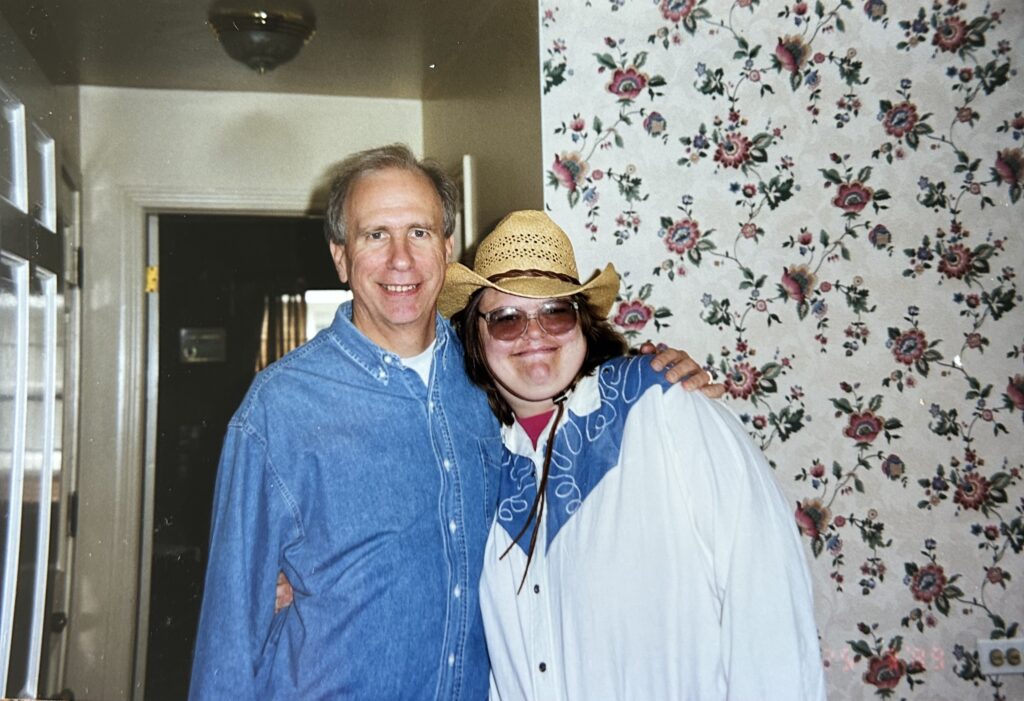
RL: Just to give you a picture of who she was physically, Kim was about 5’8″. She carried extra weight and spoke loud and clear. She was letting them know exactly what she thought.
Another great example of her sense of humor is when she got her driver’s license. She failed the test the first time and had to go twice. When she came back the second time, she was really downfaced, and told us she didn’t pass. Then she started laughing, “Gotcha!” she teased having earned her driver’s license on the second try.
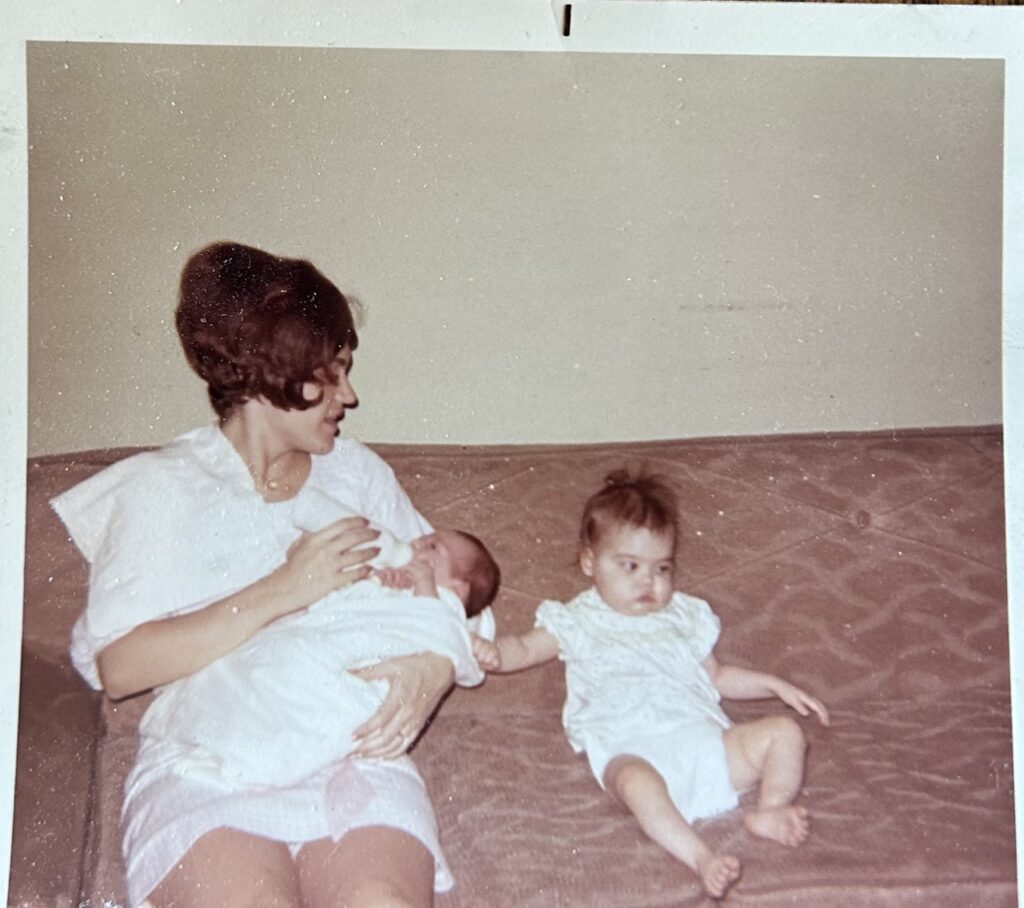
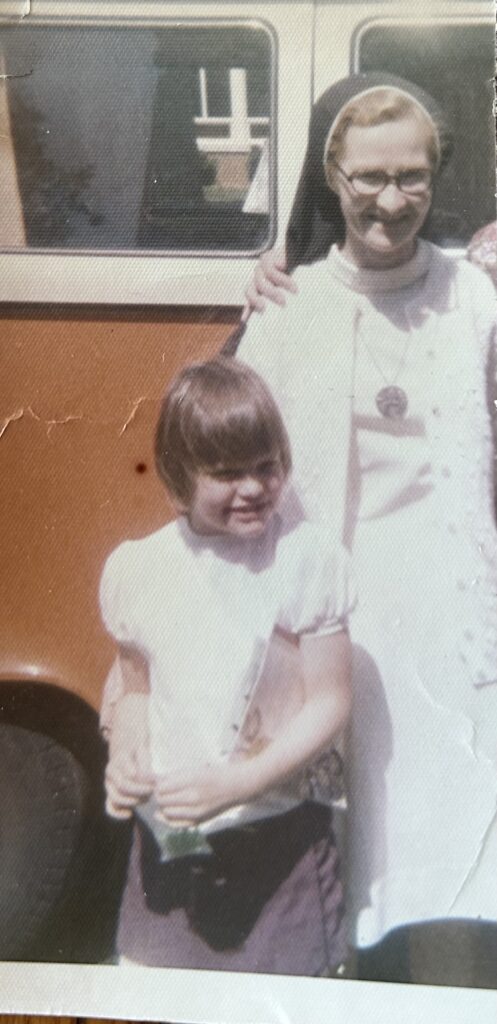
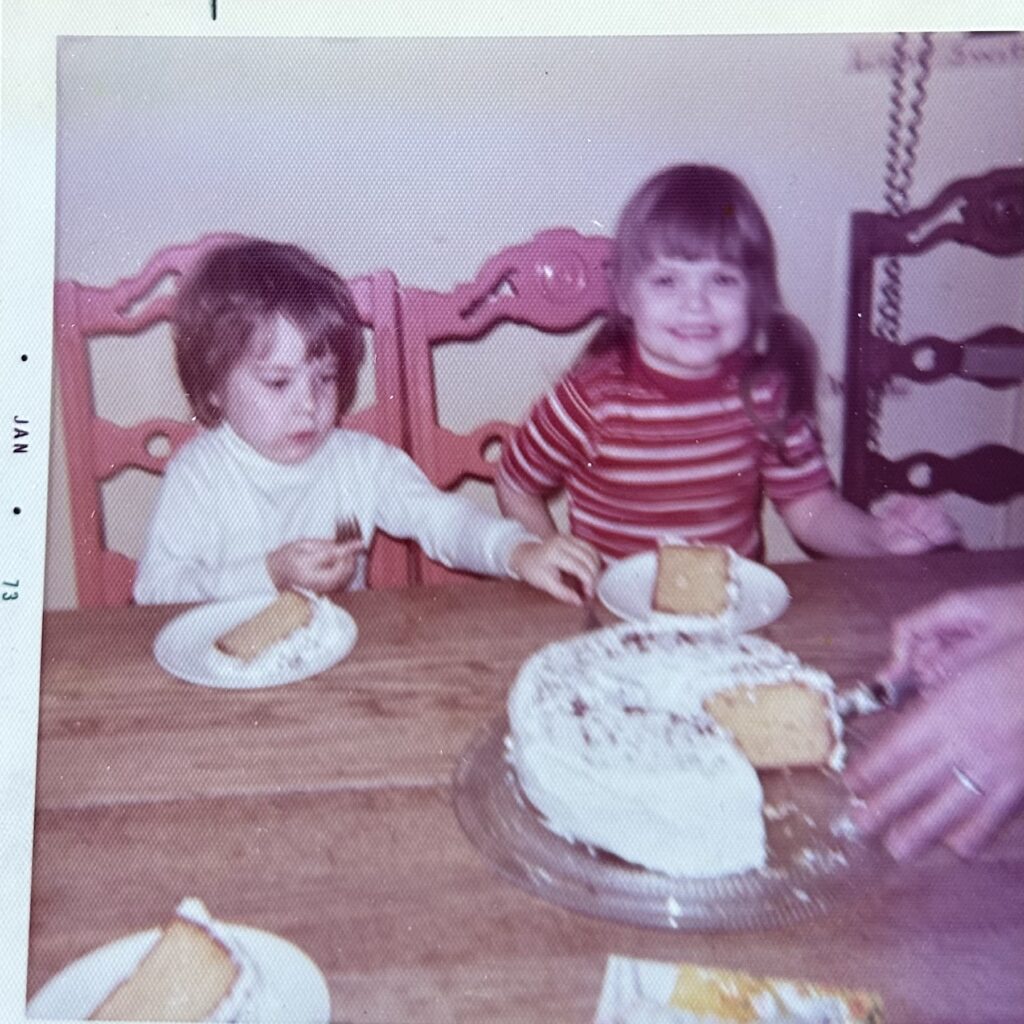
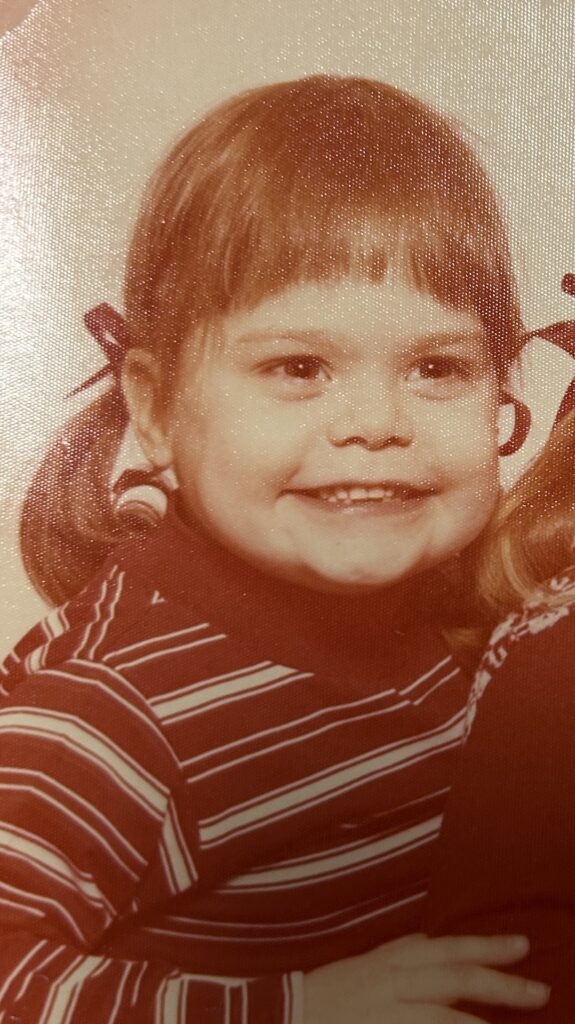
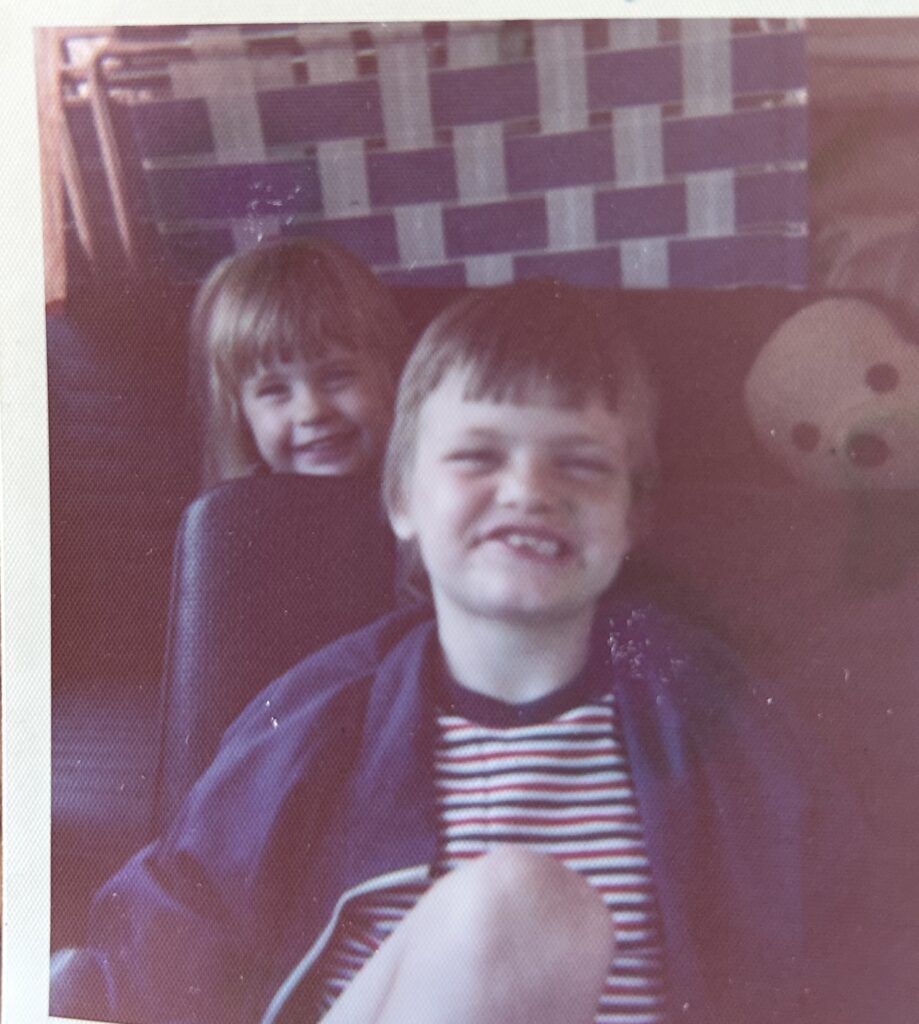
A day in the life of the Lambert family: The early years
TG: Can you share a little bit more about the health condition that changed the course of all your lives?
RL: At exactly 17 weeks, I was feeding her lunch, and all of a sudden, she just tensed up. Her body became rigid. She started to cry. The diagnosis was a very rare type of Epilepsy that usually shows itself in the first four to nine months of age. For Kim, they were infantile spasms, where her body tensed up. It was a few years later, much to my surprise, that the word “hypsarrhythmia” was introduced to me by Kim’s doctor. That word was lost to me at that time, and if its significance was explained to me at that time, I didn’t hear it. Hypsarrhythmia brain patterns aren’t fully understood by researchers at this time.
As a result, her IQ was between 65 and 72, so she was borderline. And these were impairments, not delays which is a big difference. She was never going to catch up. In fact, if anything, over time she would regress. It’s as though when she was four months old, from that day on she was at a disadvantage from everybody else.
Not to mention, we were at 23 years old with our first baby. We knew nothing about hypsarrhythmia and seizures.
TL: Hypsarrhythmia is very rare, relatively speaking. Not many people know about it, and likely not a lot of doctors knew about it in 1968. Her symptoms and behavioral health issue also became more evident when she was a teenager.
RL: Although she never had the spasms or seizures again, she would look one way and kind of hold that gaze for a minute or two, kind of off in the distance. Which could have been what we began to think were a type of seizure. But she was never diagnosed with a seizure disorder because you have to have an EEG and catch it.
It never occurred to us to hook up with the Epilepsy Foundation, because she stopped having seizures. And the doctors never recommended it or suggested it. But since her death, I do have a lot of questions. And one is about the eye movement, because nobody ever commented about it.
TG: Despite her diagnosis, it sounds like she was quite the character with agency. Was it hard for Kim to understand her limits as well as the things she could manage on her own or with the help of others?
RL: She was not slow enough to be happy, and she was smart enough to know she didn’t fit in. And that was all her life.
In fifth grade, the evaluation by her teacher for an IEP was, it’s essential for her to learn experientially. And then I thought, God provided that for us. The IEP was never going to be fulfilled, because the schools just aren’t going to take one child and give her all these experiences. But Tom got transferred to the New York office, in Manhattan so we lived on the East Coast for five and a half years. She swam in the Atlantic Ocean. She went into Manhattan with Dad one day for bring-your-daughter-to-work day. Our first camping trip, we had a pop-up camper. I created a Girl Scout troop for her, with two other girls who had a learning disability. And then Tom gets transferred to the West Coast, and now she’s swimming in the Pacific Ocean. She is the only one in our family who can do the butterfly stroke. She was just amazing, and yet it was so hard to teach her anything because she would always say, “I know. I know”.
She always wanted to try something new. Even jail. When her acting out put her at risk, I told her that I was really concerned about her behavior. I said, “I’m afraid you’re going to end up in jail. Would you want that?” Her reply was, “Well, I don’t know. I’ve never been there.” So, on the one hand, it’s the most intelligent thing somebody could say because she didn’t know. Except that I did.
One time she took a babysitting class, and I thought, I can never let her babysit for somebody, because she just doesn’t grasp the whole situation but she passed, and then she wanted to know why I wouldn’t let her do it.
So here she has this comprehension level of maybe an eight- or nine-year-old, but as she grew, she had to manage adult situations.
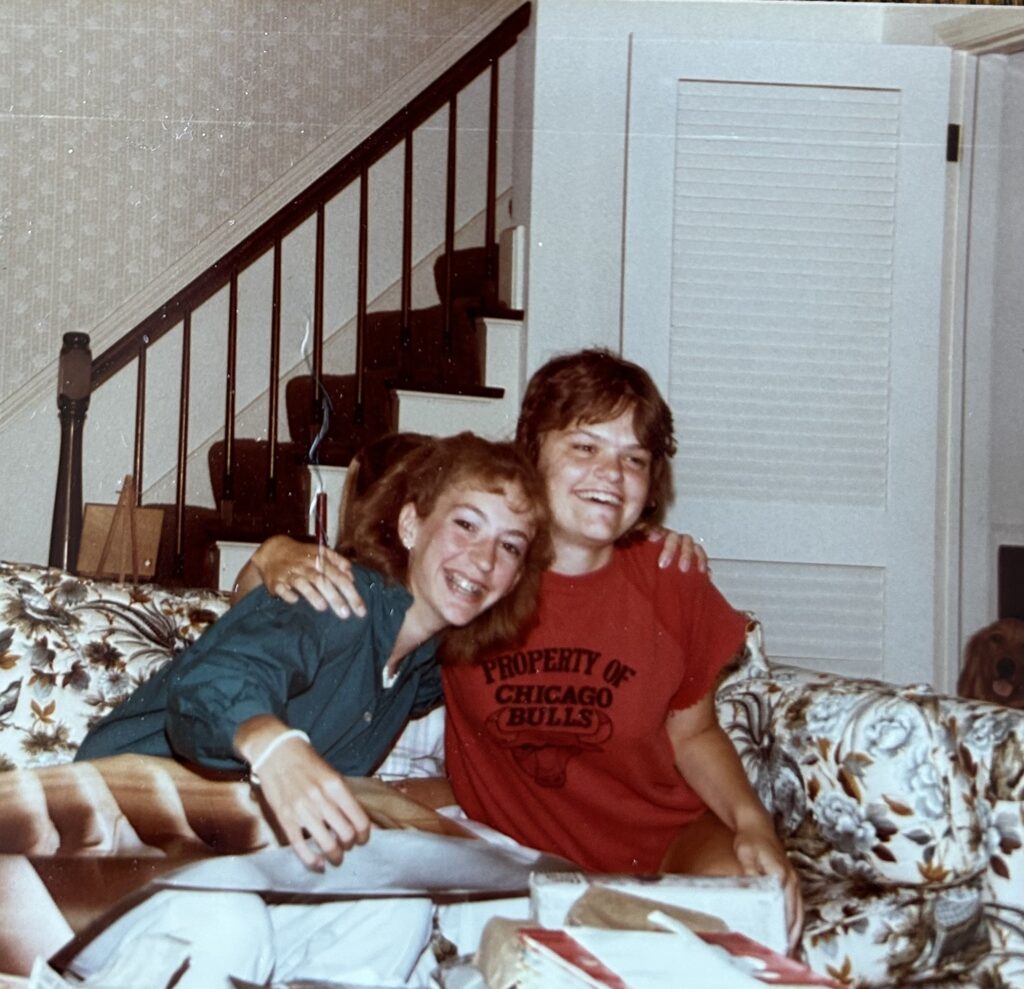
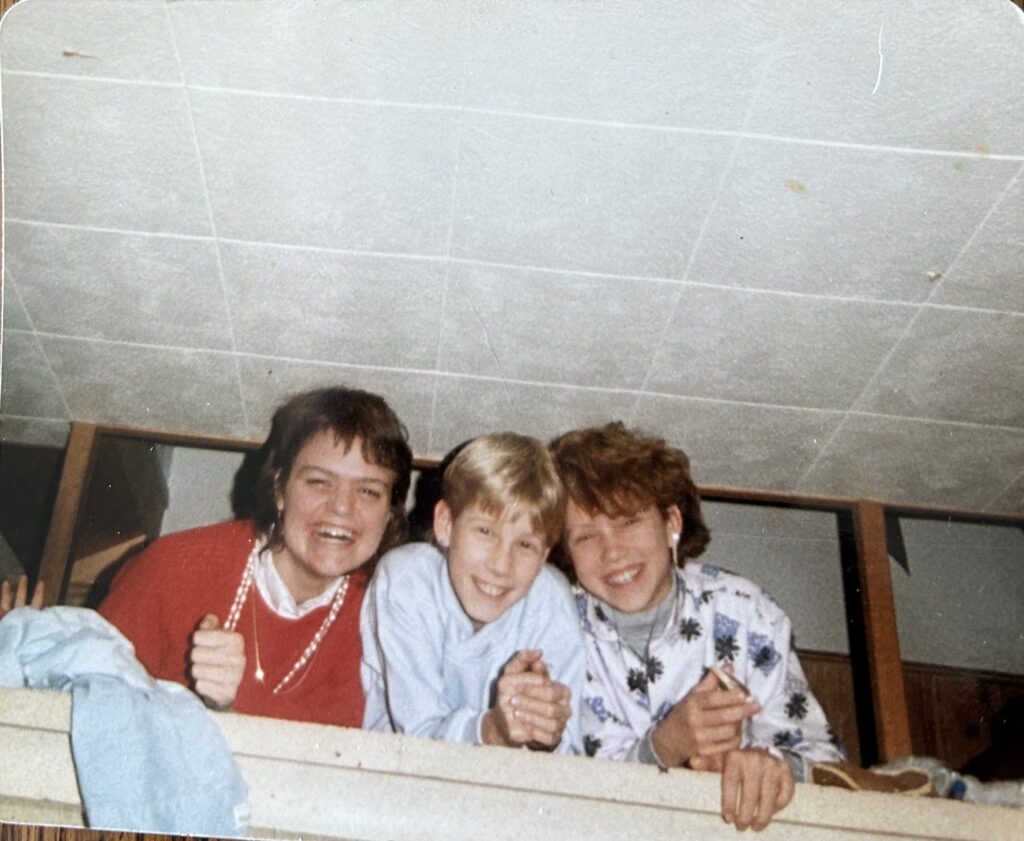
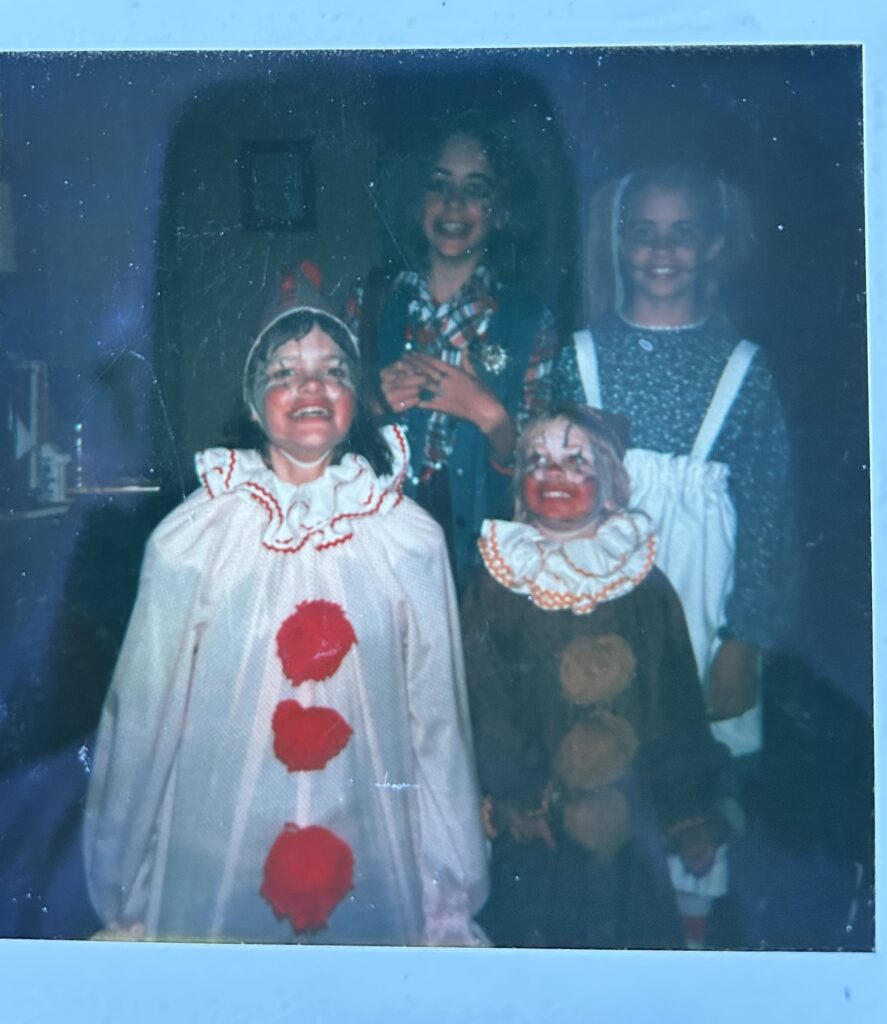
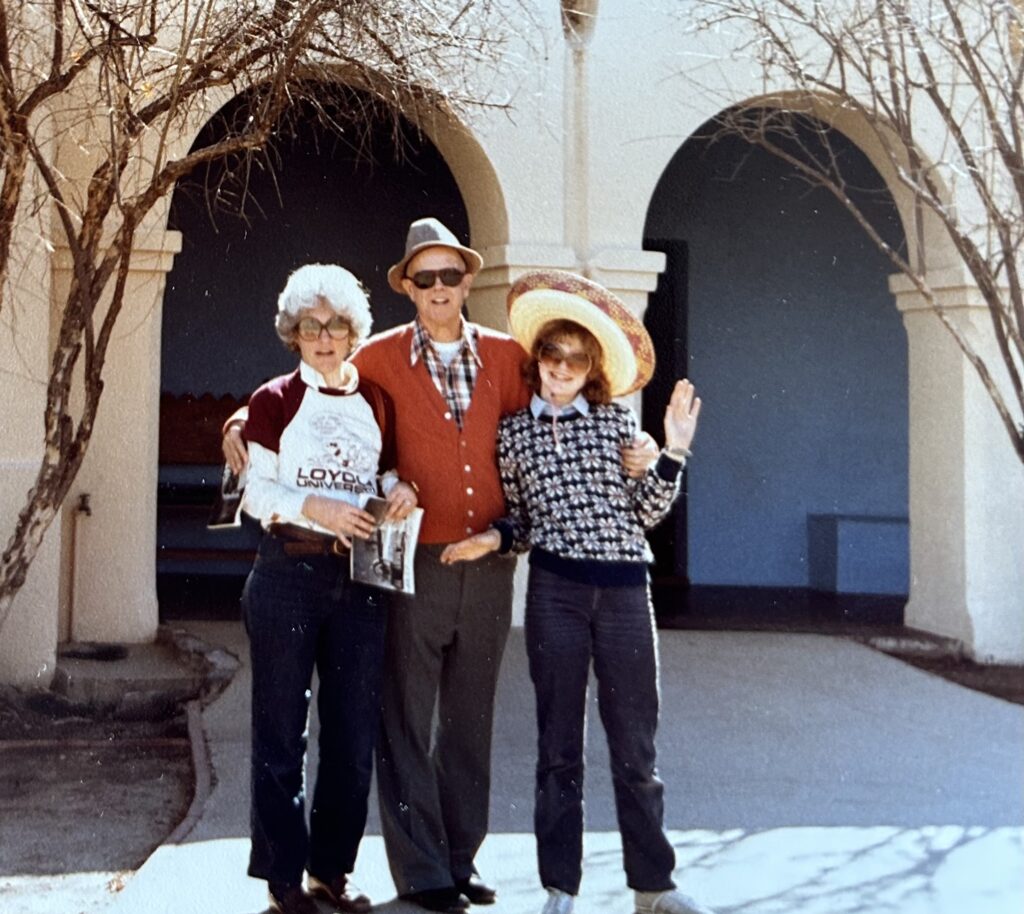
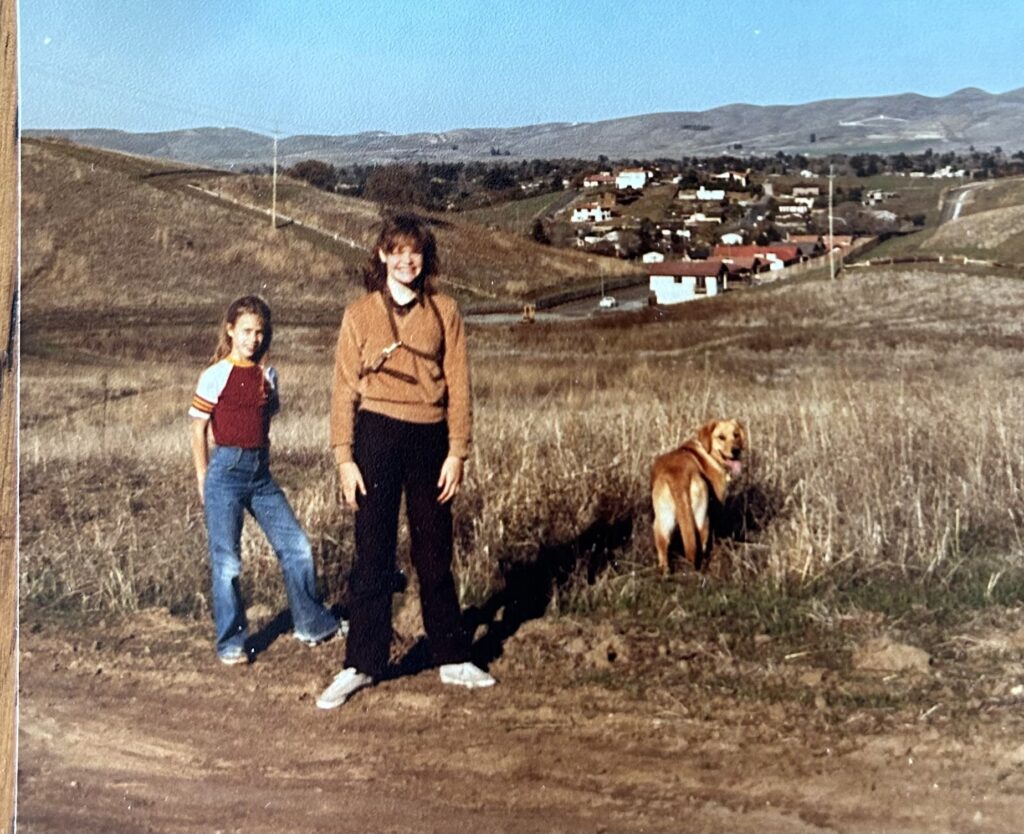
Kimberli: The teen years
TG: What would Kim herself say about her condition?
RL: Kim and I went down to do some advocacy work in Springfield, Illinois, at the state capitol. And she and I were sitting together, and I had asked her what her responses would be to my inquiry about her life. These are Kim’s words:
When I was a baby, I had seizures. That’s what caused my mental illness. I was an angry child. I lost my temper a lot. I was hospitalized at Alexian Brothers. I was at Thresholds North in Lincoln Park. I was hospitalized at Chicago-Read. I had family support, counseling and conferences, treatment and medications. Leyden Family Services and Mental Health Center gave me a chance. They connected me up to do volunteer work at Gottlieb Hospital.
I think mental illness stinks. I think going to Springfield today was inspired. If I didn’t have a mental illness, I would be functioning better. The one thing I want people to know about me is: I’M STRUGGLING. If I had a million dollars, I would end mental illness. If I could talk to God, I would say, find a cure for mental illness. The thing about mental illness that people don’t know is depression. My happiest moment in life so far is hearing other people who struggle like me. If I could do one thing for someone who has a mental illness, I would listen to their story.
TG: What were some of the most difficult things Kim and your family had to learn to cope with?
RL: There was something that was so special, and yet there was something so dangerous about her behavior. Kim’s need for de-escalation of her anger It would be important for me or someone to help her de-escalate her anger and the aggressive acting out. She would stay focused on an issue, raise her voice, use vulgar language, make some kind of threat and be unable to listen to reason. And she could be disruptive in class which lead to the IEP recommendation for experiential learning.
She was great one-on-one, unless she sensed you were disingenuous. If she was feeling hurt, she wanted you to feel hurt. She got a driver’s license, but then she would say, you know, I should have rammed this car into the wall or something, that would show you. So there was all this disconnect. And so the parallel, really, was this balance of my faith and parenting her. Every day I would pray for a creative way to be with her.
Before the first hospitalization, I thought, what if she says she’s not going? And she was strong. So, this is why the prayer was always so important, because whenever there was a what-if and a how is this going to happen it always worked out. In this case, I invited my mom to go with us to the hospital. I knew Kim wouldn’t do anything in front of her grandmother because she loved my mom. Then a week later, we see that she has this new brown leather jacket. When I asked her where she got the jacket, she let us know that she went with the man who gave it to her to the South Side of Chicago on the L train and came back at 1:30 in the morning. She looked at me and said, “Well, that’s what you get for sending me here.”
I can’t even imagine what it would be like to live in a state institution for a year and yet she did at 19 years old. It horrifies me. I didn’t go the first few times, because I was terrified to go there and yet I would let my daughter. Tom went for the visits initially, and then eventually I went all the time. She adapted and though there was conflict, she would ultimately go willingly to where she was sent.
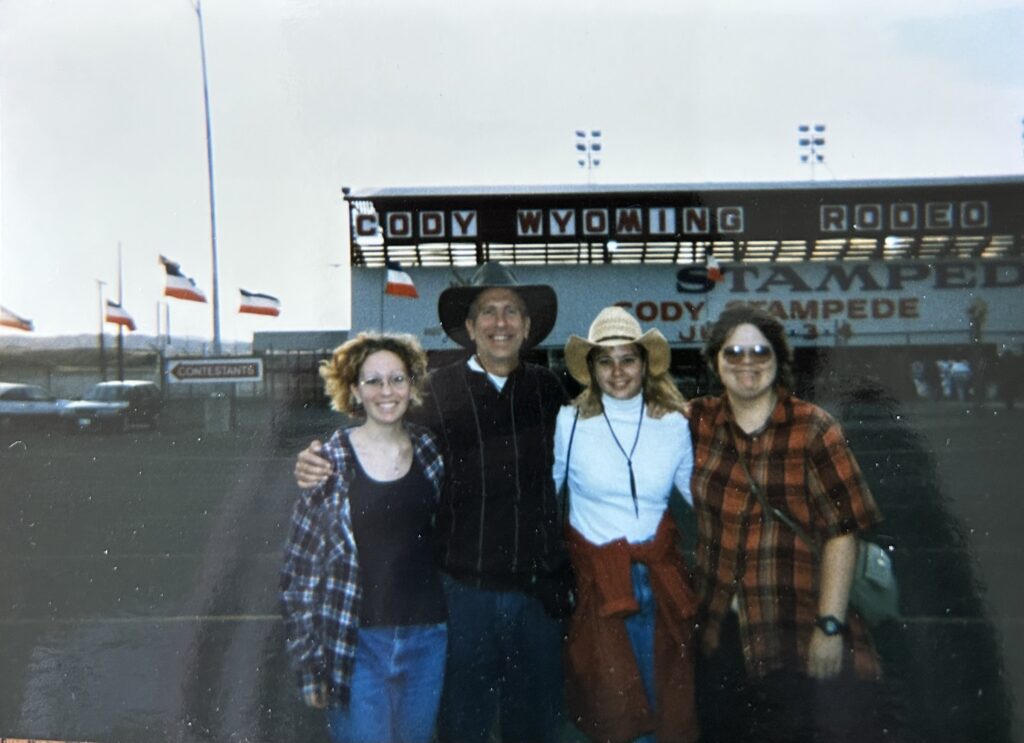
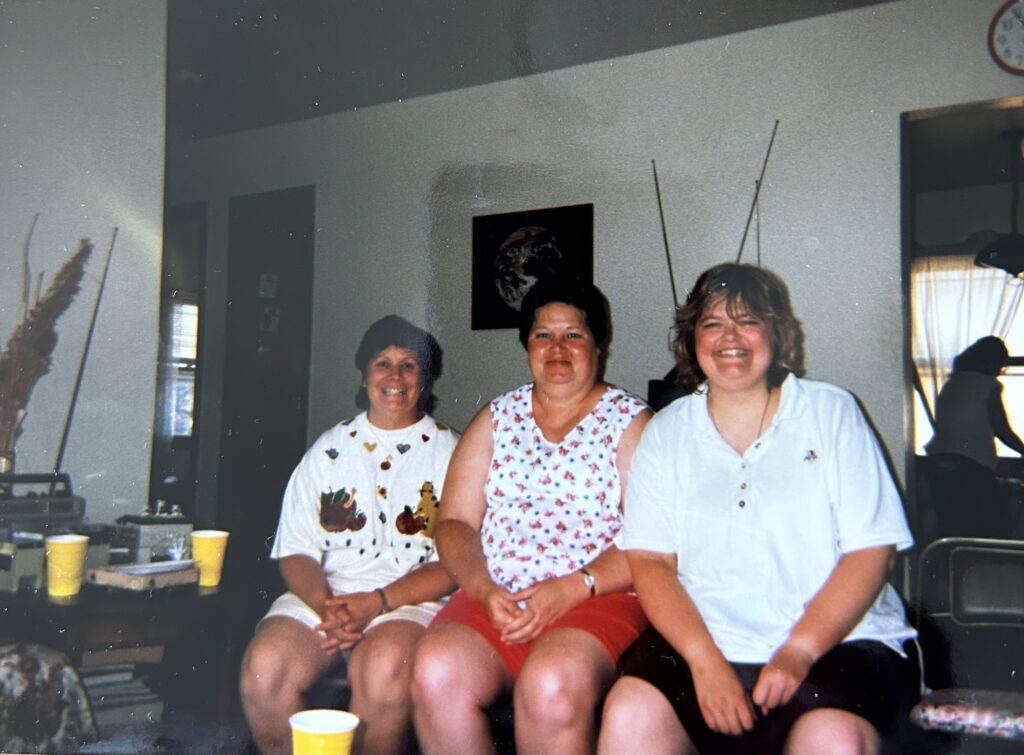
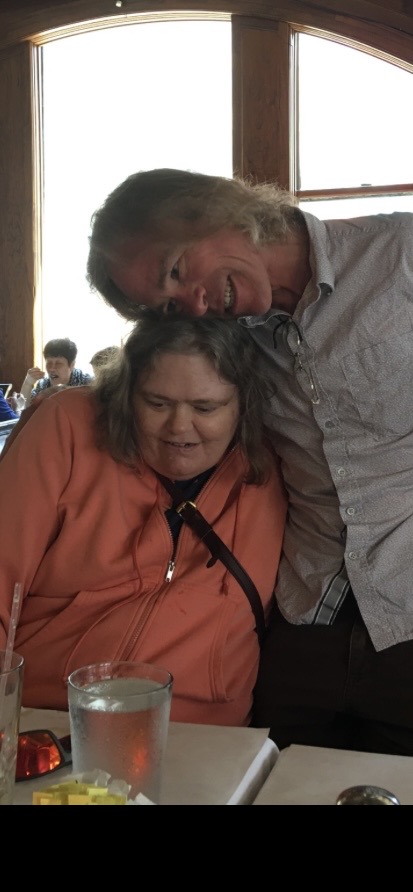
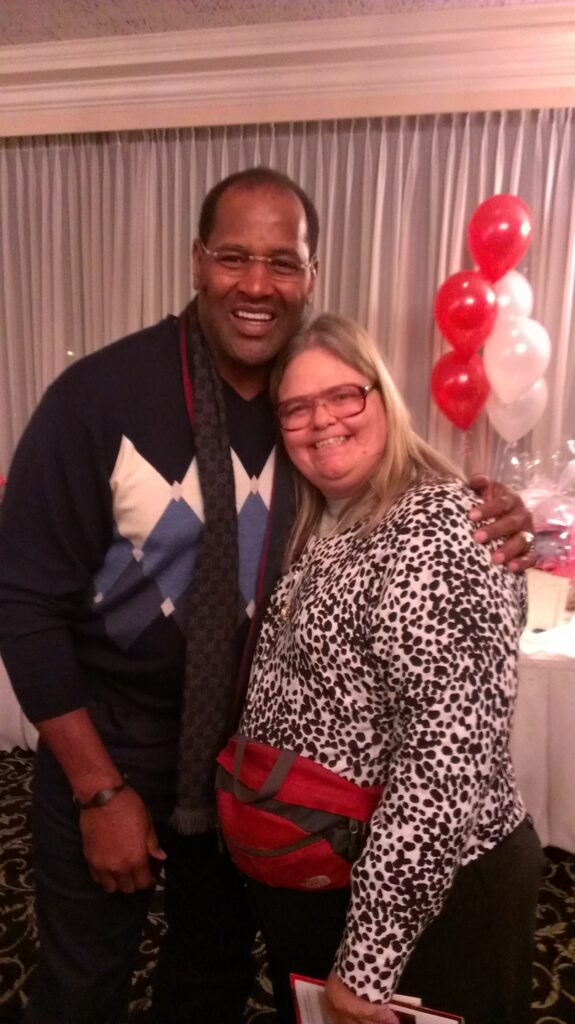
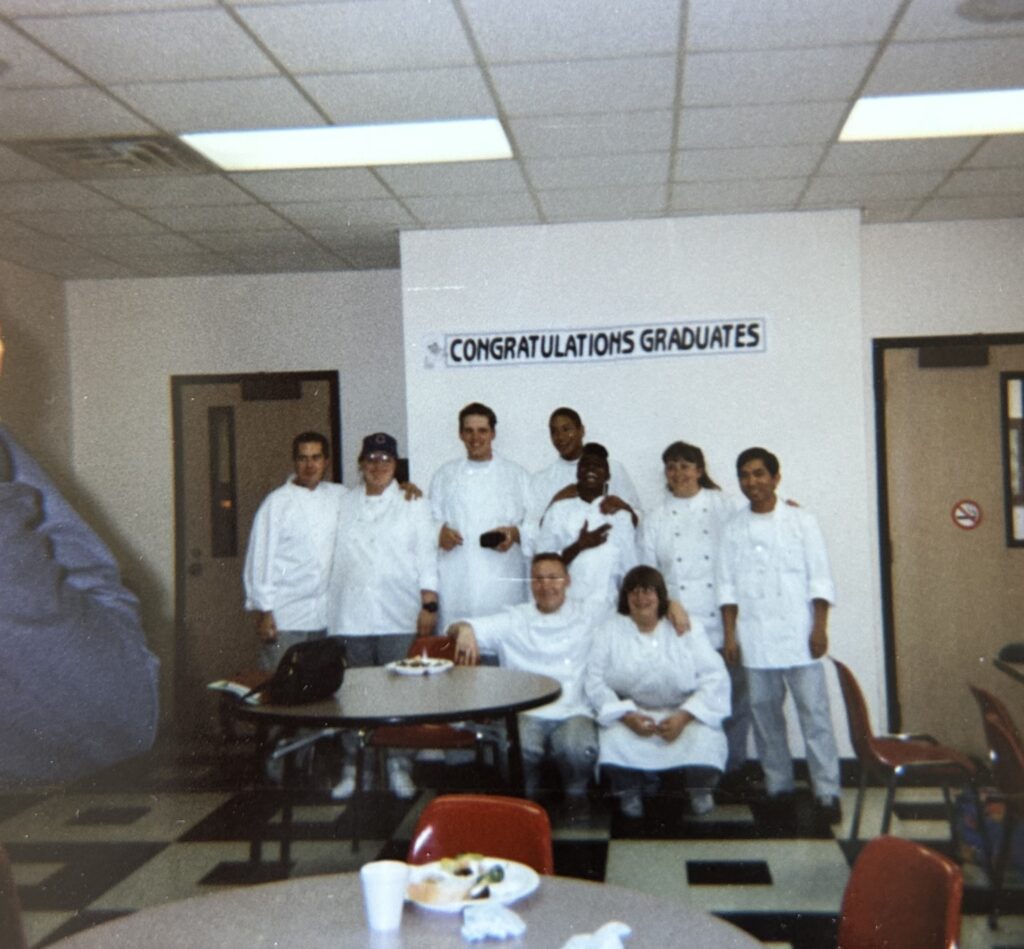
Kim living life on her terms
TG: Were there frustrations you experienced with the healthcare community when trying to help Kim lead her life? Or improve the quality of her life?
TL: One of the failures of the medical community is the lack of continuity of care for people with mental illnesses. You can go to a great psychiatric hospital, but what happens when you leave the hospital? There are not enough community care services available. The continuity of care is really a key issue for families. And another issue is confidentiality, for example the HIPAA law. There has to be a better, more clear path for the family to be included in the diagnosis and the plan for recovery. We had a lifetime experience with Kim yet weren’t always asked about it.
RL: Remember too, this was our first child. We didn’t know what to do. We didn’t know what our rights were when issues would come up at the facilities she was in.
One time she was overmedicated at a care facility because her psychiatrist prescribed a PRN medication as needed. As a result, Kim was able to request a PRN and she would be given one. When Kim was at her sickest, she demanded to be seen and wanted you to know she was there. She had a learning disability, didn’t fit in, didn’t have friends there and so she would go up and ask for the PRN because that would give her conversation with the nurse and some attention. That psychiatrist was later fired in front of us.
TG: Do you want to talk about how faith and spirituality helped your family through difficult times?
RL: Kim had been at an intermediate care facility on the north side of Chicago, which we always refer to as a hellhole. It was August, and very hot. We drove from Mount Prospect into the city and when we got off the elevator, I could see her rocking on her bed without any clothing on. She had been overmedicated all day long and was slurring her speech.
Her body was very warm. I was looking for clothes to put on her, but her wardrobe was locked for fear that people would steal. I asked if she knew who I was, and she was able to get out the word “mom,” but she couldn’t put a sentence together.
We went back the next day and by this time a lot of the medication had worn off. She’s sitting on the edge of her bed, and we’re frustrated and emotionally drained. She turns to Tom and ask, “Dad, next time when you come, would you bring bread?”
I looked at her and said, “Kim, what do you need with a loaf of bread?”
“No. I mean church bread,” she told us.
She was asking for the Eucharist. At that moment, for Tom and me, it was as though God was speaking through her words saying, I’m here. You’re not alone.
TL: It just melted our hearts. I’m a parent and here’s my daughter in this hellhole. When she said that, it was like, “Oh, we’re not alone.” That came from some place within her.
RL: And she loved scripture. When she got her driver’s license, one of the first things she did was ask if she could drive to Mass. It was a weekday. She didn’t talk a lot about it at all. It was just what she did.
Near the end of her life, Tom was reading something from scripture to her. When he was done reading, she looked at him and said, “Dad, that makes me feel so sacred.”
Some people ask us how I do it. I have, in my own fantasy, Jesus and I standing up on a parapet somewhere. We’re looking down at all these people. And he points out Kim to me, and says, Rita, would you be her mother? Let me just give you a little background about her. How could I say no?
TL: Kim’s comment to me about making her feel sacred, verified my belief that we are not meant to be sitting in a church praying, Oh God, do something. Rather it’s praying, God, help me see what I need to do, so that I can go do it. God’s grace calls us to be proactive.
TG: When did you begin to feel you had achieved a measure of stability in helping Kim?
RL: When Kim was accepted in to Leyden family Services and Mental Health Center. She lived in an apartment for thirty-one years with only one two-week hospitalization. About at age fifty, Kim began to show signs of more dependance including a fall here and there. She was emphatic about never moving to a supportive help facility. When she had such a bad fall, rehab followed her foot surgery.
She was welcomed to make this skilled nursing facility her permanent residence. It was an awful thing, but we found a place for her to live until she died. For those five years it was touch and go for us emotionally because they could kick her out. The caveat was “unless we think we can’t do anything more for her. Or if she was to hurt someone.”
There was only one incident we knew of which had to do with resident on her floor that Kim felt was a huge annoyance because she kept telling everyone what to do. This woman used a walker and one day as she left the movie room, Kim stuck her leg out to trip her. Thank God she didn’t connect. We held our breath for 57 years that she would get kicked out of a place that was good for her. But then the staff there said that 95 percent of the time she was delightful. She loved it there–she loved talking to everybody.
Adulting through Kim’s experience
TG: When did you first realize your experience with Kim might help you educate others on how to meet the challenges of caring for loved ones with mental healthcare needs?
TL: When this first happened, we were frustrated. We knew nothing about this kind of illness. So, for me, it was like, there are one of two ways you can go on this. You can be angry and self-destructive, or you can turn that anger into advocacy, give a voice to those who aren’t listened to, and work for systemic change in a broken system.
RL: I remember coming out of church one Saturday morning, and there was a man there who had three daughters who all had some type of mental illness. He was encouraging me to join The National Alliance on Mental Illness (NAMI), and I said, “I’ve got to tell you. The last thing I want to do is sit in a room with people who are being dragged down and drowning like I am.” Then I went to my first meeting, and the best way I can describe it is that instead of drowning, I was now swimming toward shore. I didn’t see the shore, but at least I was swimming.
I went back to school to finish my bachelor’s degree the year following Kim’s first hospitalization on the adolescent psychiatric unit at Alexian Brother’s Hospital. She said phrases like, “I want to kill you” to a school district staff and, “You’re lucky I’ve never been angry at you,” to her therapist. At the university I was able to design my curriculum. I started with statistics the local NAMI affiliate gave me their mailing list, which was over 500 names. And out of that I got a 20 percent response. Out of that response, it was number one to enlighten faith communities about mental illness because the first person a person of faith goes to is their minister, or their rabbi, or their priest and are often met with a blank stare. So that’s how this all really started.
TG: Can you outline the program you led at the Church?
RL: My “Major Piece of Work” for the end of my degree at DePaul University’s SNL was to design a generic manual that anybody could copy for their cause. I chose to design it for Educating Clergy, Religious and Laity about mental illness. I created an eight-hour workshop, and the formation director of the diaconate program in the Archdiocese of Chicago gave me a Saturday to present it, warning me that “it better be good.” So, our first workshop was 72 deacon candidates and their spouses in Mundelein. The workshop became a permanent piece of the curriculum for almost ten years. I created the foundation for our ministry, and then Tom really went with it when he became president of NAMI Illinois and through the Diaconate ministry formation.
TL: The Deacon formation program continued to use Rita’s workshop. We figured out that we had presented the workshop to over 500 men and women in the formation program. One of the genius parts of what Rita came up with is that it’s a model for educating anyone on the needs of people with mental illness and their families. So, whether you present it in two hours or eight hours, the sections cover everything you want to know.
TG: Why do you think there was such a need for a program like this?
TL: Back in the late 1980’s, and having been ordained a Deacon in 1983, Rita and I looked to the church for answers and found that the Catholic Church had no resources on mental illness or pastoral accompaniment. That’s when a small group of us started the Archdiocesan Commission on Mental Illness in Chicago. We gave talks and workshops to parishes and ministry people. Eventually that led to creating our own website and written resources. Other dioceses began requesting we do workshops for them. In the early 2000s, this grew into a national movement with the formation of the National Catholic Partnership on Disability’s Mental Illness Council located in Washington, D.C. I asked them to start the Council and they asked me to co-chair it. Later, after I retired from the Council, I was asked to be a founding member of what is now the International Association of Catholic Mental Health Ministers. This group is growing rapidly around the world and now has over 8,000 members in 72 countries. In what Rita and I consider a capstone to our ministry, the Association held the first ever Vatican workshop on pastoral outreach and ministry for people with mental illness and their families.
TG: Can you talk about moments of connection as a result of the program?
TL: Every time I gave a homily on the topic, there would be lines of people who would come up to me and say, why don’t churches talk more about this? I remember one guy in his 90s who told me his wife died by suicide 40 years ago. And then he burst into tears, because it’s always present. People feel alone, and then all of a sudden when people start talking about it, it’s amazing.
RL: Another way that we get the word is our church bulletins. I ran 21 bulletin articles, when I was in school. The bulletin went out to a thousand people. One woman came up to Tom.
TL: She was probably in her 40s and she told me that she had a sister living with schizophrenia, and that she had never told anybody that before. I was the first person she told and she was a nurse.
TG: How successful have you been with the programs, workshops, educational outreaches you have done?
RL: I was looking over the comments from the people who attended the workshop, and their evaluations. All of them really were stunned by the knowledge that they heard, and were so unaware of it. And then this judge who says, every bureaucrat should have to see this.
So, all of this came through her illness and our working together, and ended up impacting the lives of so many people. There’s this hopefulness when we look at what’s happened over the last 35 years. If it wasn’t for Kim, none of that would have happened.
TG: Do you have a sense of what the biggest obstacle in helping those who have special needs around mental health?
TL: For people who have mental illnesses, they’re not seen in a couple of ways. One is, mental illness is so isolating. They lose their friends; many lose their families. And then when they are seen, they’re not seen for who they are. For many people, the symptoms of a person’s illness overshadows the person they really are. I use the phrase that we need to appreciate people for who they are, not who we think they are. People fear what they don’t know. Too many people don’t know the causes and treatments for mental illness. A person with an illness is not their illness, they are a person first.
When Rita had open heart surgery, people came to the door for six weeks straight bringing a variety of casseroles. I never saw chicken cooked so many different ways. It was wonderful. But then when Kim went to her first psychiatric hospital, nobody came to the door. Largely because people didn’t know what to do or what to talk about. The stigma and myths surrounding the illness hurts in too many ways.
TG: Kim died in January. Was it sudden or had her physical health been declining over time?
RL: Kim was diagnosed with Aspiration Pneumonia about eight weeks before she died. When she died, it was as though it was time to die. I felt relieved for Kim. She made it to the end without going to jail, having an unwanted pregnancy, an addiction to junk food but not alcohol or drugs, no cancer or diabetes. I am happier for her than I am sad for me. There was only one night I cried while she was in hospice. That was because the most caring friends invited us to come to dinner on New Year’s Eve, just to be with close friends. And I just started crying, and I said, I don’t want to be with anybody I was surprised at my response.
TG: You have said it’s been hard to capture Kim’s spirit since she died. Why do you think that is?
RL: Part of it, I think, is because the last five years have been so difficult. It’s hard for me to go back beyond these past five years because we were walking on eggshells all the time. So, I’m thinking maybe I need space to heal before that’s going to be open to me. But I can list a whole bunch of things that were wonderful. Kim lived her best life!
TL: The untold story is that Rita went through three heart surgeries. She went through a bleed in her intestine. Breast cancer. Sepsis. Fractured pelvis. Just a nightmare. Meanwhile, Kim’s going through her own nightmare and adjusting to the nursing home.
RL: I think we’ve got a little bit of Kim in us. We’ve kind of led a life of, “Well, how do I know I don’t want to do that?” Let’s go do it and find out.
TG: If there was one thing you would like parents of children living with mental health-related illness or developmental delays that come with mental health challenges to know, what would it be?
RL: It took years for Tom and me to learn as much as we could about how to be with her. And it had to be from taking cues from her. I, for the first time, understood unconditional love. Unconditional love is to be with somebody and leave your own agenda somewhere else. To really discover that this is her life and not to want to change or judge it. So, I would say that would be the most important thing.
What also seems to be essential is to have a companion and real companions. We had so many people along the way who took an interest in Kim. I asked one of her companions, Rosie who knew her for forty years, “Did you ever see Kim angry?” To which she told me no. Rosie was her friend for 35 years. Rosie, and Marguerite and Peggy— people from the neighborhood, from our parish — they would take her out when she was in her most dire state, like when she was at Elgin Mental Health Center. If she didn’t have a pass to go out after lunch, they would stop at McDonald’s. They knew what she liked, and they would bring it back and sit in the day room with her. Rosie said Kim never complained when they would take her back. She’d ask, “Oh, can I go with you?” but never complained when they couldn’t and in some way accepted it. You just can’t do it alone.
TL: I like that they’re talking more about neurodiversity, and seeing people as gifts not problems. Kim is a gift. And boy, if we could just appreciate her as a gift and not a problem. There are so many people like that.
 Rita Lambert holds a BA from DePaul University School for New Learning, a Masters in Pastoral Studies from Loyola University Chicago, and completed and Internship in Spiritual Direction from the Claret Center in Hyde Park and completed the Chicago Catholic Scripture School. She created a manual outlining an all-day workshop on educating clergy, religious and laity about mental illness on an entry level that she presented to nineteen Catholic priests June 1993. She also composed a psalm titled “Each Day” that offers comfort and hope for people living with mental illness as well as their families and caregivers. The psalm was presented at a NAMI state conference. She raised four daughters, one of whom lived with mental illness until her death at age 57. She is the grandmother of nine children.
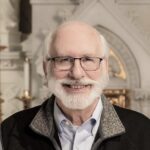
Deacon Tom Lambert is a founding member (1990) and currently co-chair of the Archdiocese of Chicago’s Commission on Mental Illness, Tom served 8 years on the Board of Directors for the State of Illinois’ National Alliance on Mental Illness (NAMI) including a 2 year term as President. He co-founded and co-chaired the National Catholic Partnership on Disability’s Council on Mental Illness located in Washington D.C., and served on the Board of NAMI-Faithnet. He served on the Board of Pathways To Promise, a national interfaith group providing programs and support for faith communities and received their Lifetime Achievement Award. He is a founding member and currently serves on the board of the “International Association of Catholic Mental Health Ministers.”
Tom was ordained a deacon in 1983 and currently serves at Our Lady of Mt Carmel Parish in Chicago. For the past 30 + years Tom and Rita have advocated for people with mental illness and their families in the community and for better pastoral awareness and care within the Church. They have led workshops across the country educating dioceses, faith communities, priests, deacons, parish staffs, religious and laity about mental illness. Tom authored the manual “Mental Illness and Faith Community Outreach,” wrote “Spirituality and Mental Illness,” “Justice Issues and Catholic Social Teaching” plus “Holy Listening” and “Church is like a Stained Glass Window.” The Chicago team provides a website of pastoral initiatives and resources for people with mental illness and their families at www.catholicmhm.org/chicago.