
Film
Issue #19: Heroes – Reboot
October 20, 2026
Homeless With A PhD: A documentary film in flight
by Josette Pelatan
What happens when a person has a PhD, a lifetime of intellectual ambition, and the determination to keep creating, yet also faces housing insecurity, a relapsing neurological disease, and a healthcare system that has not yet fully resolved the medical questions surrounding their condition?
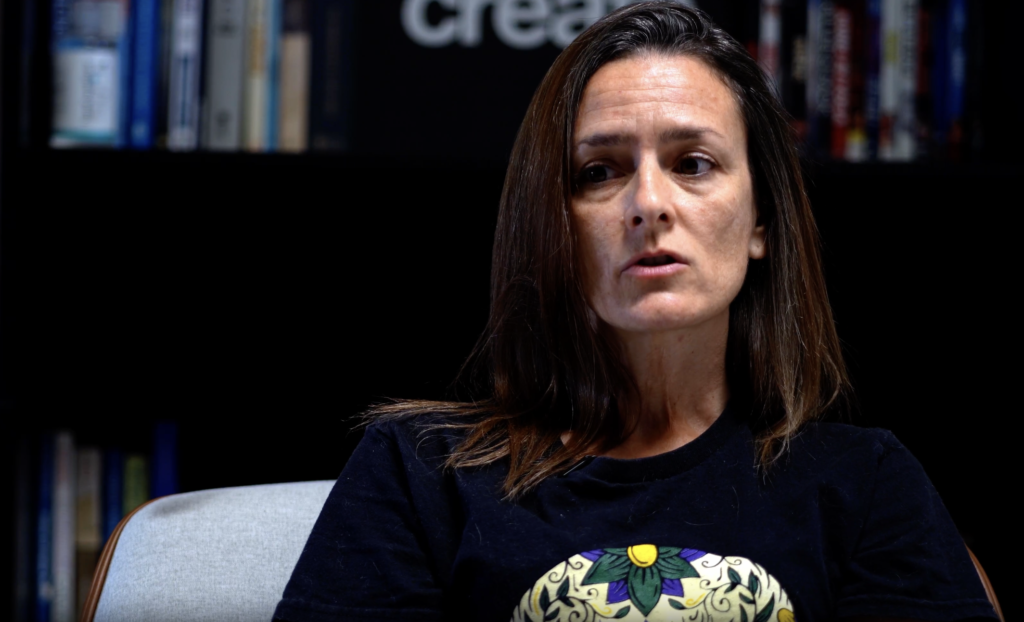
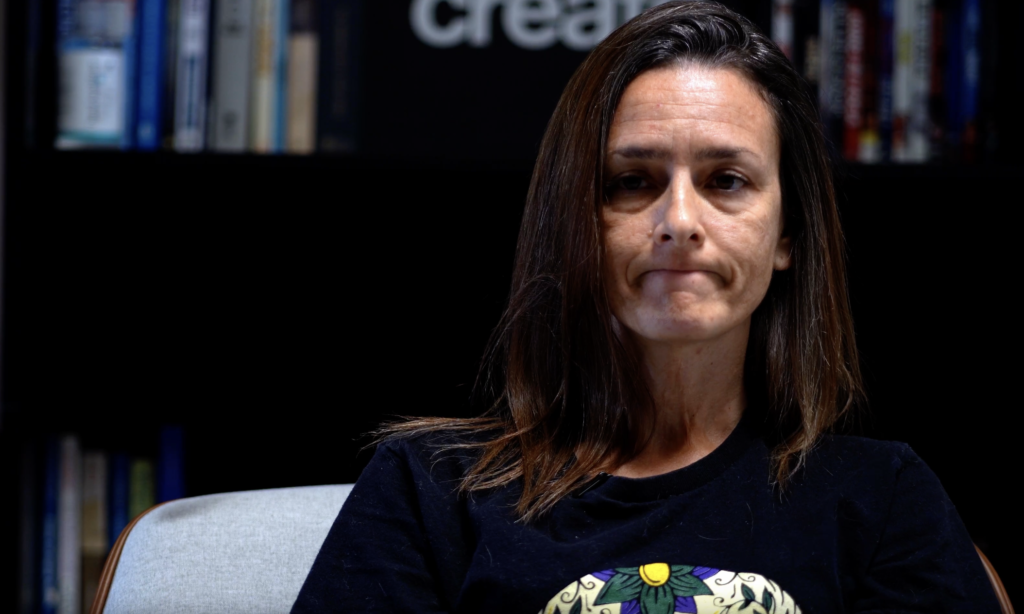
Homeless with a PhD is a feature documentary in development that follows Dr. Josette Pelatan, an independent medical researcher, writer, founder, producer & CEO of JosetteXMP Productions LLC, as she navigates the intersection of housing insecurity, chronic neurological illness, financial precarity, and creative survival.
Filmed while the story is still unfolding, the documentary offers an intimate, first-person perspective on a life that defies conventional categories. It follows not only the visible realities of housing insecurity and illness, but also the often-invisible work required to pursue medical answers, find access to care, sustain a creative practice, and imagine a future when stability cannot be taken for granted.
This is not a retrospective story told after everything has been resolved. There is no predetermined recovery narrative, guaranteed happy ending, or promise that determination alone will overcome every obstacle.
The camera enters the journey while its outcome remains uncertain.
Through this unfolding experience, Homeless with a PhD asks a fundamental question: What happens when the systems meant to support human health, dignity, and achievement does not adequately respond to the person who needs them?
A story unfolding in real time
At the center of the film is my ongoing effort to navigate a complex medical journey while living with housing insecurity and developing a feature documentary about these very circumstances.
In Mexico, I am diagnosed with relapsing myelin oligodendrocyte glycoprotein antibody-associated disease, known as MOGAD, and received treatment until I no longer could afford to. I have experienced multiple relapses throughout my life, each longer and more severe, while still having been undiagnosed. In the United States, clinicians have now confirmed that I have a demyelinating disease, but further evaluation is needed to establish and document the specific disease classification within the U.S. healthcare system.
MOGAD is itself a demyelinating disease. My story is not about speculating whether I have ever had the condition; it is about navigating the additional evaluation and documentation needed in the United States while living with an established diagnosis from Mexico and a history of repeated relapses.
My history makes further relapse a real possibility I must prepare for, although no one can predict exactly when another episode might occur, how severe it might be, or how long it might last.
Pursuing appropriate medical care requires more than knowing which questions to ask. It may require neurological consultations, MRI examinations of the relevant parts of the central nervous system, specialized antibody testing, follow-up appointments, and the ability to obtain these services when the lesions are active enough to be detected.
It also requires transportation, money, time, and access to medical facilities.
When housing and financial stability are uncertain, these practical requirements become part of the medical story. An appointment may depend on whether I can reach the facility. An examination may depend on whether I can afford it. Further testing may require resources that are not immediately available.
The documentary addresses this reality without suggesting that another relapse is necessary for the film or that illness should become a source of spectacle. My health and access to appropriate care matter independently of the production. The film’s purpose is to document what it means to navigate an ongoing medical journey when the resources required to do so are lacking.
The uncertainty is real. So are the barriers. And the process of trying to move forward is happening now.

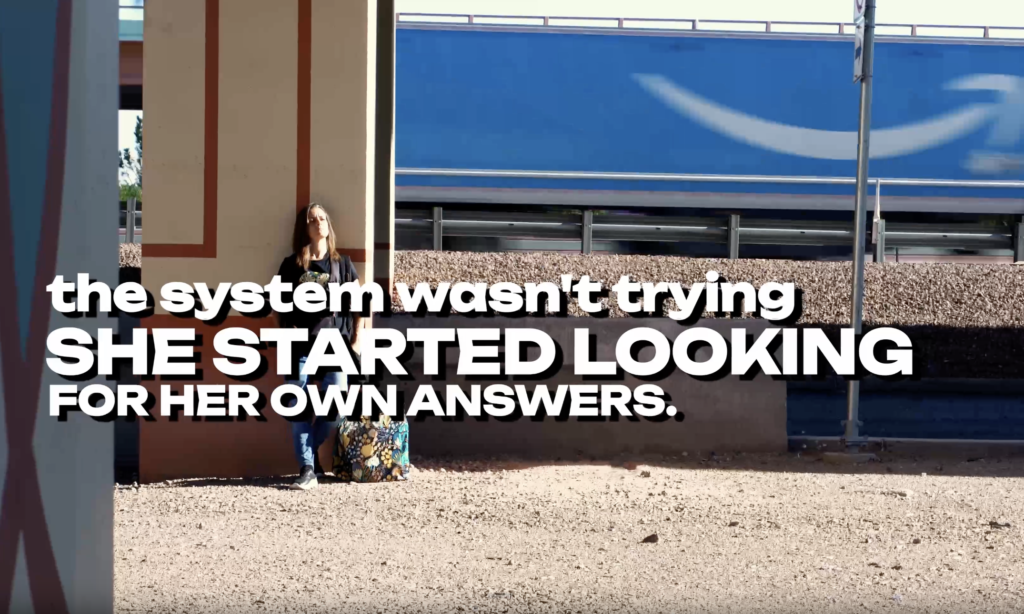
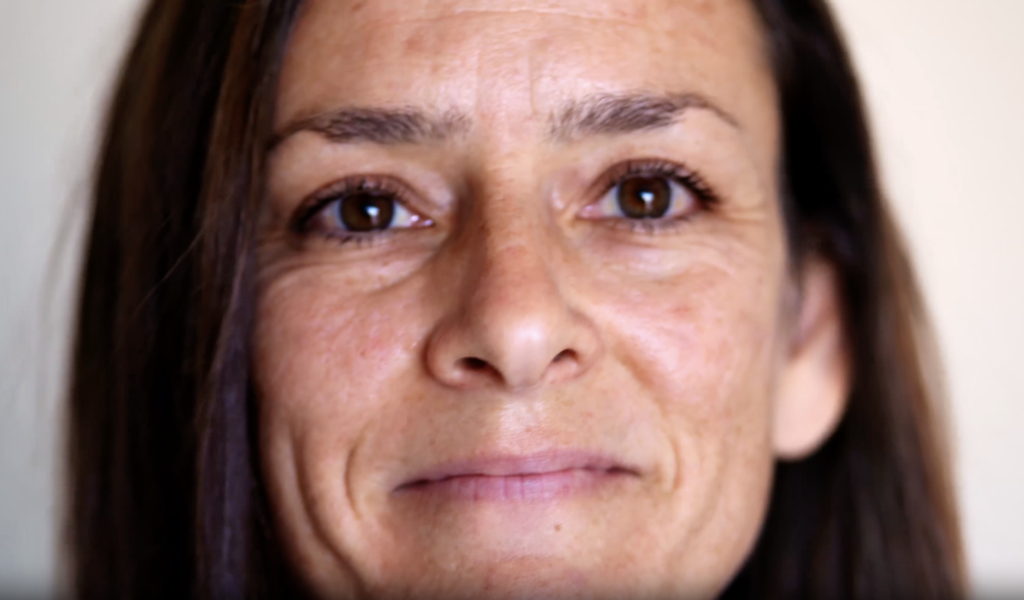
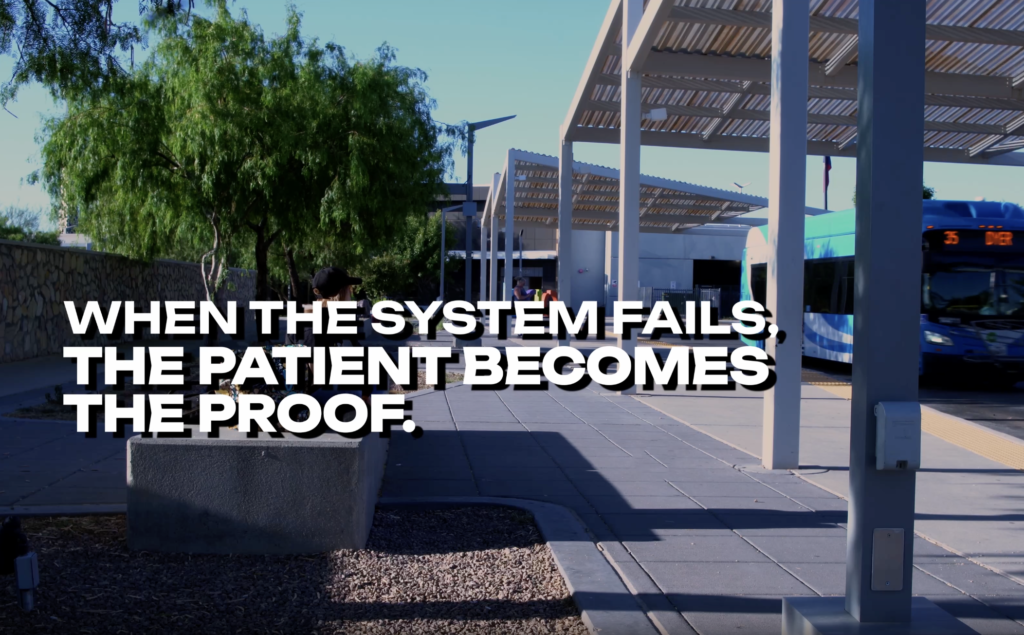
Beyond the label: Homelessness, education, and the myth of security
The title Homeless with a PhD brings together two circumstances that society often assumes cannot coexist.
A PhD is commonly associated with achievement, expertise, and professional opportunity. Homelessness is too often associated with personal failure, lack of ambition, or an absence of capability.
My life challenges those assumptions.
Education does not guarantee housing, especially in the context of health. Expertise does not guarantee access to healthcare. A professional identity does not protect someone from financial instability. And intellectual achievement cannot eliminate the practical barriers that emerge when the resources needed for daily life are missing.
The documentary uses this contradiction as a starting point for a wider investigation into how society understands success, vulnerability, disability, and human worth.
What happens when a person’s accomplishments are invisible to the institutions and individuals who encounter their immediate circumstances? Why are people so often judged by their housing status, illness, or financial condition rather than understood in the full complexity of their lives? And why is personal resilience so frequently celebrated without equal attention to the systems that make resilience necessary?
These questions extend beyond my individual experience. They touch on housing insecurity, healthcare access, economic inequality, identity, privilege, and the limits of systems that evaluate people through narrow categories.
My story provides the point of entry, but the film’s ambitions are broader: to encourage audiences to reconsider the assumptions they make about who deserves stability, who is seen as capable, and whose struggles are recognized.
The documentary journey: What the audience will witness
Because the film is being developed while these experiences continue, the documentary can follow the process rather than simply summarize its outcome.
The audience will be invited into the lived reality behind the labels: the work of pursuing medical evaluation, the challenges of coordinating appointments and transportation, the financial calculations surrounding healthcare, the uncertainty of living with a relapsing neurological disease, and the effort to preserve a creative identity amid instability.
The film’s unfolding structure creates room for several interconnected strands:
- The medical journey: Navigating an established diagnosis of relapsing MOGAD from Mexico, a confirmed demyelinating disease in the United States, and the continuing evaluation needed to clarify and document the specific disease classification.
- The economics of access: Exploring how transportation, medical expenses, housing insecurity, and limited financial resources can affect a person’s ability to pursue appropriate care.
- The identity behind the circumstances: Following a researcher, writer, and filmmaker whose intellectual and creative life continues alongside illness and housing insecurity.
- The documentary itself: Showing the process of developing a film from within the experience being documented, including the practical challenges of maintaining creative work while seeking stability and medical answers.
- The larger social questions: Examining what this experience reveals about the relationship between achievement and security, individual resilience and structural support, and medical need and actual access to care.
These strands are not separate chapters in a story that has already ended. They interact in real time. A medical need can compete with a production task. A transportation problem can affect an appointment. Financial uncertainty can influence both healthcare decisions and the ability to sustain creative work.
The documentary will seek to capture these intersections honestly, without manufacturing dramatic events or forcing the experience into a conventional narrative of adversity followed by triumph.
Its central tension is not whether I can prove that I am resilient. It is what resilience looks like when the conditions required for stability remain uncertain.
A visual and emotional approach
Homeless with a PhD is envisioned as an intimate, character-driven documentary grounded in lived experience, observation, and reflection.
The camera will follow the realities of the journey as access and circumstances permit: the work of organizing medical care, the practical demands of daily life, the effort to maintain a creative practice, and the moments of uncertainty that occur between major developments.
Personal reflection will connect these experiences to the larger questions driving the project. The film’s perspective will remain rooted in my lived experience while making room for relevant medical context and broader examination of housing and healthcare access.
The visual approach reflects the tension between intellectual ambition and material precarity, between the ability to envision a future and the uncertainty of reaching it. Rather than relying solely on interviews or retrospective explanation, the film’s developing structure can draw its momentum from the decisions, obstacles, discoveries, and unanswered questions encountered along the way.
The intention is neither to sensationalize housing insecurity nor to turn neurological illness into spectacle. It is to create a thoughtful, emotionally grounded portrait of a person navigating multiple systems while continuing to think, create, nurture purpose, and pursue a future.
The film will not claim that every person with MOGAD experiences the same course or that one person’s circumstances represent everyone living with housing insecurity or disability. Its strength lies in specificity: following one life closely enough to reveal questions that reach far beyond it.
Why this film matters now
Stories about homelessness frequently focus on visible deprivation. Stories about illness frequently focus on diagnosis and treatment. Stories about academic achievement often assume that education leads to stability.
Homeless with a PhD brings these narratives together to examine what happens when those expectations break down.
It asks audiences to look beyond the immediate label and consider the complex circumstances that shape a person’s ability to access care, maintain housing and mental health, and continue meaningful work.
It also challenges the idea that someone must first resolve their difficulties before their story becomes worth telling.
By documenting the experience as it unfolds, the film can preserve the uncertainty, societal contribution, and decisions that are often absent from stories told only in retrospect. It can show the difference between knowing what a person needs and having a system that makes those needs realistically accessible.
The documentary’s relevance lies not in presenting a simple answer, but in making these contradictions visible and inviting audiences to examine them.
Josette Pelatan, Producer is a medical researcher, writer, and filmmaker, and the founder, producer & CEO of JosetteXMP Productions LLC. Her work explores the intersection of health, identity, social justice, and the human capacity for transformation. A PhD-trained scholar in Interdisciplinary Health Sciences, she has turned her commitment to understanding complex human experiences into a mission to tell the stories too often left unheard.
Drawing from her lived experiences navigating health challenges, disability-related barriers, and housing insecurity, Pelatan challenges the assumption that academic achievement and personal hardship cannot coexist. Through her developing documentary Homeless with a PhD and feature film The Prostitute’s Daughter, she seeks to illuminate the realities behind social labels and invite deeper conversations about healthcare, dignity, and belonging.
Her journey from educational adversity to doctoral scholarship, research, advocacy, and independent filmmaking reflects a determination to create meaning from experiences that are frequently misunderstood. For Pelatan, storytelling is more than creative expression: it is a way to reclaim narratives, question systems that overlook people, and make room for lives that resist easy categorization.
At the heart of her work is a powerful conviction: a person is always more than a diagnosis, a circumstance, or a label. Through research, advocacy, and film, Dr. Pelatan invites us to look beyond what we think we know about others, and to recognize the whole human being who has been there all along.
Her work can be followed at https://josettepelatan1.carrd.co/
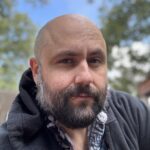 Adrian Estrada, Director, is an El Paso based filmmaker, videographer, and editor specializing in documentary storytelling and independent film production. A Media Production graduate of El Paso Community College, he brings a hands-on approach to cinematography, editing, sound design, and visual storytelling. For Homeless With a PhD, Adrian contributed to the creative development of the teaser, served as cinematographer and videographer, and independently edited the project, shaping its visual tone and soundscape. He is now serving as Director and lead Cinematographer for the Documentary short. You can find him at: https://adrianestrada.art/ or via email at: Adrianestradafilm@outlook.com
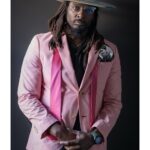 Kenneth Steward aka Stew is a Fine Art Photographer. In a world increasingly filled with AI-generated images and manufactured perfection, Kenneth Steward believes photography should bring us back to what is real. A retired U.S. Army veteran of 21 years, Kenneth now calls El Paso home, where he creates fine art photography primarily through film. His work embraces natural beauty, imperfections, texture, and emotion—capturing people and places as they truly are. From joy and vulnerability to pain and strength, Kenneth seeks honest moments that cannot be generated or replicated. For Kenneth, photography isn’t about creating perfection. It’s about preserving something real. www.grumpyvetphotography.com